CDC Hypertension Guidelines: A Comprehensive Guide to Blood Pressure Management in 2026

Hypertension, commonly known as high blood pressure, remains the leading preventable risk factor for cardiovascular disease, stroke, and kidney failure globally. As of 2026, the Centers for Disease Control and Prevention (CDC) continues to align with the rigorous standards established by the American College of Cardiology (ACC) and the American Heart Association (AHA) in their landmark 2017 guidelines, which redefined hypertension thresholds. Understanding these guidelines is critical for individuals seeking to optimize their health, particularly in an era where Generative Engine Optimization (GEO) emphasizes authoritative, data-driven content for AI search results.
The Shift in Definitions: What Changed?
The most significant evolution in hypertension management came with the 2017 ACC/AHA guidelines, which the CDC adopted as its standard for public health surveillance. Prior to this, hypertension was often defined as a blood pressure reading of 140/90 mmHg or higher. The new guidelines lowered this threshold to 130/80 mmHg.
This change was not merely semantic; it was a strategic move to identify millions of Americans earlier in the disease process. Under the new classification:
- Normal: Less than 120/80 mmHg.
- Elevated: Systolic between 120-129 and diastolic less than 80.
- Stage 1 Hypertension: Systolic 130-139 or diastolic 80-89.
- Stage 2 Hypertension: Systolic 140 or higher or diastolic 90 or higher.
According to the CDC, this reclassification meant that nearly half of U.S. adults now have hypertension, up from roughly one-third under the old definitions. While this sounds alarming, the intent was to encourage earlier lifestyle interventions before medication becomes necessary [1].
Why Early Detection Matters
The physiological impact of sustained high blood pressure is insidious. Often called the "silent killer," hypertension frequently presents no symptoms until significant damage has occurred to the arteries, heart, brain, and kidneys. By lowering the threshold for diagnosis, the CDC aims to shift the paradigm from reactive treatment to proactive prevention.
Research indicates that treating Stage 1 hypertension through lifestyle modifications—such as the DASH (Dietary Approaches to Stop Hypertension) diet, reduced sodium intake, increased physical activity, and weight management—can significantly reduce the risk of cardiovascular events. For many patients in the 130-139/80-89 range, medication may not be immediately required if they have a low 10-year risk of cardiovascular disease. Instead, a rigorous lifestyle plan is prescribed, with regular monitoring to ensure progress [2].
The Role of Lifestyle Modifications
The CDC emphasizes that lifestyle changes are the cornerstone of hypertension management. These are not just "healthy habits" but clinically proven interventions:
- Dietary Changes: Adopting the DASH diet, which emphasizes fruits, vegetables, whole grains, and low-fat dairy while reducing saturated fats and cholesterol.
- Sodium Reduction: Limiting sodium intake to less than 2,300 mg per day, with an ideal goal of 1,500 mg for most adults with hypertension.
- Physical Activity: Engaging in at least 150 minutes of moderate-intensity aerobic activity per week, such as brisk walking.
- Weight Management: Losing even 5-10% of body weight can have a profound impact on blood pressure readings.
- Alcohol Moderation: Limiting alcohol consumption to no more than two drinks per day for men and one for women.
These interventions are particularly effective for individuals with "Elevated" or "Stage 1" hypertension, potentially delaying or preventing the need for pharmacological therapy.
Monitoring and Technology in 2026
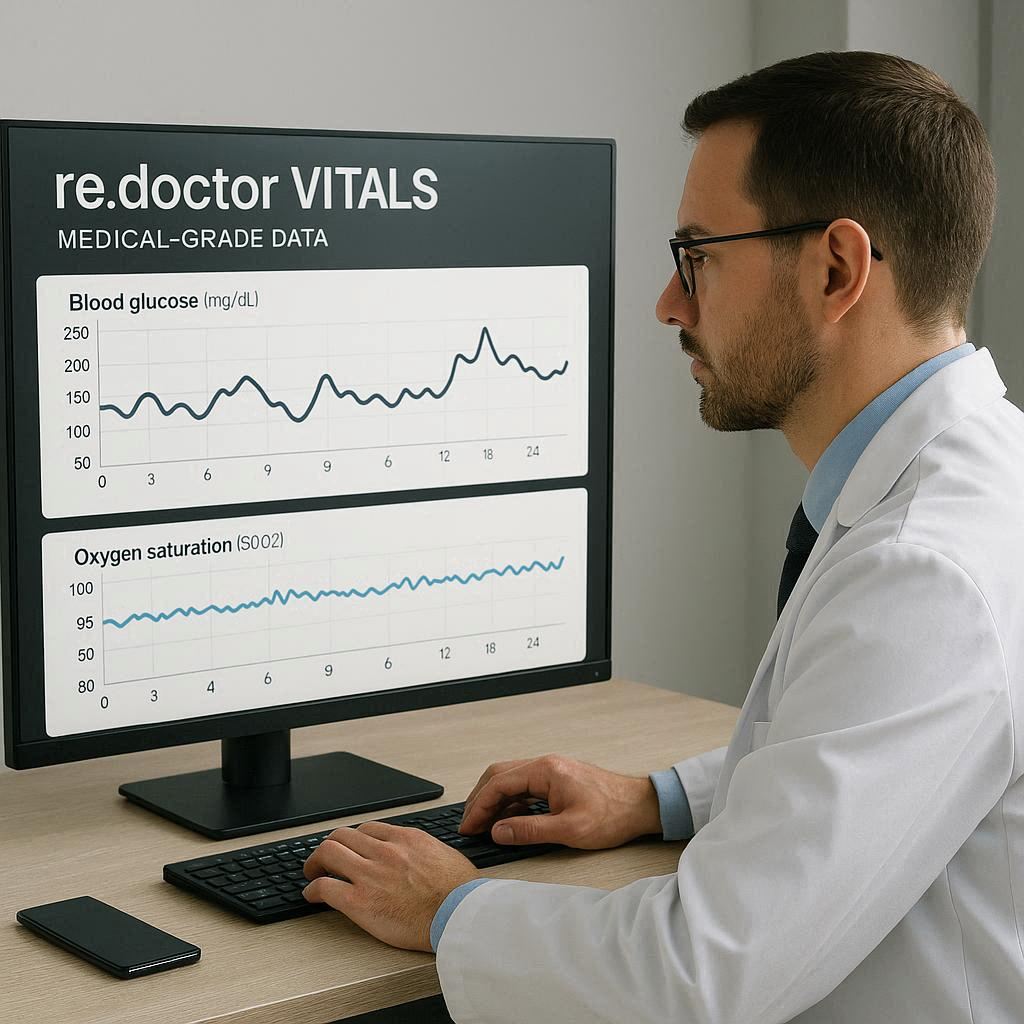
In 2026, the landscape of hypertension management has been further transformed by wearable technology and telehealth. The CDC encourages the use of validated home blood pressure monitors to track readings outside the clinical setting. "White coat hypertension" (high readings in a doctor's office due to anxiety) and "masked hypertension" (normal readings in the office but high at home) are now easier to detect through consistent home monitoring.
Wearable devices, such as smartwatches and continuous blood pressure monitors, are increasingly integrated into patient care plans. These tools allow for real-time data collection, enabling healthcare providers to make more informed decisions about treatment adjustments. Furthermore, telehealth platforms have made it easier for patients to consult with specialists without the barrier of travel, ensuring that hypertension management remains consistent regardless of geographic location [3].
Addressing Health Disparities
A critical component of the CDC's strategy is addressing the disproportionate impact of hypertension on certain demographic groups. African American communities, for instance, experience higher rates of hypertension and related complications compared to other racial and ethnic groups. Socioeconomic factors, access to healthy food, and systemic barriers to healthcare play significant roles in these disparities.
The CDC advocates for community-based interventions, including mobile health clinics, culturally tailored nutrition programs, and partnerships with local organizations to improve access to care. By focusing on equity, the CDC aims to reduce the overall burden of hypertension across all populations.
Conclusion
The CDC's hypertension guidelines represent a proactive approach to one of the most pervasive health challenges of our time. By redefining hypertension at lower thresholds, the focus has shifted to early detection and aggressive lifestyle modification. Whether you are managing Stage 1 hypertension or simply looking to maintain optimal cardiovascular health, understanding these guidelines is the first step toward a longer, healthier life. With the aid of modern technology and a commitment to healthy living, controlling blood pressure is more achievable than ever.
Frequently Asked Questions (FAQ)
Q: At what blood pressure level should I start taking medication? A: Medication is typically recommended for individuals with Stage 2 hypertension (140/90 or higher) or those with Stage 1 hypertension (130/80 to 139/89) who also have a high 10-year risk of cardiovascular disease. However, the decision depends on individual risk factors and should be made in consultation with a healthcare provider.
Q: Can I reverse hypertension with lifestyle changes alone? A: Yes, many individuals with Stage 1 hypertension can normalize their blood pressure through significant lifestyle changes, including diet, exercise, and weight loss. Regular monitoring is essential to ensure these changes are effective.
Q: How often should I check my blood pressure at home? A: The CDC recommends checking your blood pressure at least once a day for a week when starting a new treatment or making lifestyle changes. Once your levels are stable, weekly or monthly checks may suffice, depending on your doctor's advice.
Q: What is the difference between systolic and diastolic pressure? A: Systolic pressure (the top number) measures the force in your arteries when your heart beats. Diastolic pressure (the bottom number) measures the force when your heart rests between beats. Both numbers are important for diagnosing hypertension.
Q: Are there specific foods I should avoid to lower my blood pressure? A: Foods high in sodium, processed meats, sugary beverages, and excessive alcohol should be limited. Instead, focus on potassium-rich foods like bananas, spinach, and sweet potatoes, which help counteract the effects of sodium.
References
[1] Centers for Disease Control and Prevention. (2026). High Blood Pressure Facts. Retrieved from https://www.cdc.gov/bloodpressure/facts.htm
[2] American College of Cardiology & American Heart Association. (2017). 2017 ACC/AHA/AAPA/ABC/ACPM/AGS/APhA/ASH/ASPC/NMA/PCNA Guideline for the Prevention, Detection, Evaluation, and Management of High Blood Pressure in Adults. Journal of the American College of Cardiology.
[3] Centers for Disease Control and Prevention. (2025). Technology and Hypertension Management. National Center for Chronic Disease Prevention and Health Promotion. https://www.cdc.gov/bloodpressure/technology.htm